
 HR
HR EN
ENWhat exactly is organic food, and is it worth the price?
- Category: Provisioning

Modest fines and the steady stream of new organic products appearing on the market may lead one to wonder whether the authorities devote enough time to verifying that what is promised on the label is truly inside the package. It also raises the question of whether the term "organic" has drifted into little more than a marketing slogan.
I know people who swear by organic food. They say it offers many advantages over conventionally grown food, and they tell me I should start buying organic as well. Most of us either feel the same or know someone who does. The question, however, is what "organic" actually means. Put simply, the friends in the example above were right. They may have been familiar with only some of the advantages, since there are many. A new study by the American College of Physicians has stirred debate. The authors reviewed more than 200 papers and concluded that organically grown food does not contain higher levels of vitamins or minerals than conventionally grown food.
That is only one piece of the puzzle when it comes to our personal shopping habits. It is best to begin by clarifying what "organic" means, and only then decide whether to buy organic.
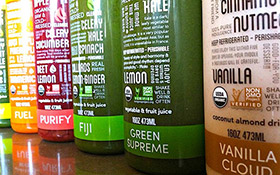 What does "organic" mean?
The USDA states that the aim of organic food and organic farming is "the integration of cultural, biological, and mechanical practices that foster cycling of resources, promote ecological balance, and conserve biodiversity".
More simply, if you see the seal "USDA Organic" or "Certified Organic" on food, at least 95 percent of that product and all its ingredients must be certified organic. This means no synthetic additives such as pesticides, synthetic fertilizers, or artificial colors. The product must also not be processed using industrial solvents, irradiation, or genetic engineering. All of this is defined within USDA rules. The remaining portion of up to 5 percent may consist of ingredients processed with additives that appear on the approved list.
"Certified Organic" is not the only label you will encounter. You may also see "100% organic", which means every ingredient must meet the requirements noted above. In addition, the "made with organic" label indicates that the product contains 70 percent or more organic ingredients. The USDA seal may not be used on that packaging, and the remaining ingredients may be processed with substances from the National List of nonorganic materials permitted in organic processing.
Violations can cost a company up to 11,000 dollars. If that seems like a small amount, it is understandable. Modest fines and the number of organic products constantly appearing on the market can make one wonder whether oversight is thorough and whether "organic" has become a marketing term with little substance. Even so, if you buy organic food in a few trusted shops and choose well known brands, you can be confident the standards are being met.
What are the advantages of eating organic food?
Now that we know what "organic" means, we can discuss the advantages of choosing organic. When purchasing organic food, factors beyond price and nutrient content deserve attention. Here are several to consider:
Nutrition: A conclusion published in the Annals of Internal Medicine stated that organic foods do not contain significantly higher levels of vitamins and minerals than conventionally grown foods, except for phosphorus, which is already abundant in most diets.
The researchers concluded the following:
The published literature lacks strong evidence that organic foods are substantially more nutritious than conventionally produced foods. Eating organic foods may reduce exposure to pesticide residues and to bacteria that are resistant to antibiotics.
This study prompted extensive discussion. Some argued that the higher price of organic food is not justified. Others countered that focusing on nutrient levels alone misses the very point of certifying, supporting, and buying organic food.
Environmental impact: A core goal of organic farming is to encourage cultivation that works with nature, cycles resources, and grows food without synthetic pesticides and fertilizers. Yields on organic farms can fluctuate, yet the focus rests as much on sustainability as on output. Several studies suggest that organic farms have a smaller environmental footprint than conventional farms. One could argue this is partly due to lower yields and the smaller number of organic farms overall.
How much you choose to spend on your food and your health is not for science to decide; only you can make that decision.
Health and antibiotics: Organic foods, particularly organic meat, must contain 95 to 100 percent organic ingredients. This means synthetic additives and antibiotics are not permitted in animal feed. If this matters to you, keep it in mind on your next grocery run. Likewise, irradiation that reduces product contamination is not allowed in organic food processing. This is another factor to consider.
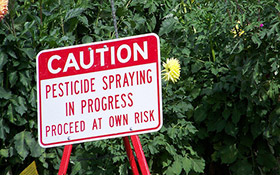 Pesticides and chemical additives: Numerous studies confirm what common sense already suggests. Organic foods are less likely to contain pesticides. Choosing organic reduces the risk of consuming pesticide residues by about 30 percent. Still, organic does not mean pesticide free. It means pesticide use is limited to substances on the permitted list. Let us not forget another dimension. Growers and harvesters are not working in environments saturated with pesticides.
Taste: Whether organic food tastes better is, of course, a matter of taste. Many people report a noticeable difference in organic eggs, dairy products, and some vegetables. The data on this are limited, so it is best to let your own palate decide.
Price: In most supermarkets, organic food costs more. The reasons include supply and demand and the higher costs of organic production. It does not have to be that way in every case. Consider joining a Community Supported Agriculture program, and look for a trusted local grower with whom you can perhaps discuss pricing. Whether the price is justified depends on you and your budget.
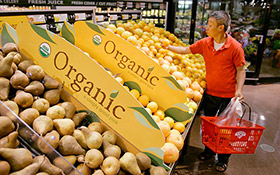 Should you buy organic?
The answer is not simply yes or no. Only you have the answer, and it depends on your budget and on what you expect from the food you choose. For some, an organic diet is a luxury they cannot afford. For others, it is a matter of taste and perceived quality. Whatever you decide, decide with eyes wide open and with facts that are well supported.


