
 HR
HR EN
ENThe Sad Story of Sugar
- Category: Raw Food

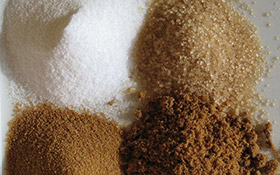
To clarify what I mean by the word sugar, in this context I am referring to refined sugars such as high fructose corn syrup, refined cane sugar, and its sly cousin "brown sugar", which is in fact colored white sugar. Most often that sugar is tinted with molasses or caramel coloring.
Ah, sugar. So wonderfully sweet... yet so risky. Most people do not see sugar as hazardous, yet this tempting sweetness can trigger a wide range of physical health problems.
To clarify what I mean by the word sugar, in this context I am referring to refined sugars such as high fructose corn syrup, refined cane sugar, and its sly cousin "brown sugar", which is actually colored white sugar. Most often that sugar is tinted with molasses or "caramel" coloring.
However, before presenting a few essential facts about sugar, allow me to say this. Anyone who wishes to lose weight, restore health, enhance mental performance, or break certain "addictions" SHOULD STOP CONSUMING THE TYPES OF SUGAR LISTED ABOVE IMMEDIATELY.
That said, it requires real vigilance and awareness. Many commercial foods, seasonings, and additives already contain sugar. This is why you need to read labels carefully and choose your provisions wisely. In my view, the best approach is to prepare your own meals using ingredients that are completely pure and natural.
If you love sweets, you may be wondering what you can enjoy to satisfy that irresistible craving.
Begin with fruit. Fruit contains wholesome sugars that do not undermine health in an average healthy individual. Treat yourself with dried dates, pure raw honey from local producers, a little maple syrup make sure you buy the right grade, or 100 percent cane juice or syrup. Stevia extract is a natural and intensely sweet alternative that can assist in managing diabetes and helps reduce tooth decay. It also does not deliver "sugar" calories. By contrast, agave nectar is a highly refined product and should be placed in the same category as refined sugars, namely high fructose corn syrup HFCS.

Here are the reasons to eliminate this common sweetener from your menu for good:
- Sugar can promote the growth of cancer cells.
- Insulin is one of the key hormones that regulates the growth of such cells. Persistently elevated insulin levels, which result from frequent sugar intake, encourage the proliferation of cancer cells.
- Metabolic disturbances linked to sugar consumption are well known drivers of inflammation. Those inflammatory processes can be triggers for cancer.
- Many studies show that people who consume a lot of sugar have a higher risk of developing cancer.
- Through its impact on hormones and the brain, sugar uniquely promotes fat storage.
- High fructose corn syrup contributes to fatty deposits in the liver, which increases the accumulation of lipoproteins that in turn lead to plaque buildup and narrowing of blood vessels.
- Sugar weakens immunity and depletes minerals from bones.
- Several studies have shown that high fructose corn syrup leads to obesity in rats. It increases body weight, raises body fat, and elevates triglycerides.
- Because it triggers a large release of dopamine in the brain, sugar can be highly addictive. This may lead to addictive behaviors even in early childhood and can set the stage for other dependencies.
- High fructose corn syrup can contain other contaminants, including mercury, which is unregulated and not routinely monitored by agencies. The source of this issue lies in chlor alkali products used during production.
- Most high fructose corn syrup is produced using genetically modified organisms. GMOs have been linked to cancer and other potentially serious and even fatal diseases.
25 reasons why you should stop consuming refined sugar and high fructose corn syrup:
- Feeds candida
- Contributes to wrinkles and accelerates skin aging
- Acidifies the blood
- May lead to osteoporosis
- Causes tooth decay
- Raises blood glucose levels
- Contributes to obesity
- Is addictive, almost like drugs
- Can trigger cravings for alcohol
- Provides so called empty calories with no nutritional value
- Contributes to diabetes
- Depletes minerals in the body
- Reduces energy levels
- Contributes to cardiovascular disease
- May cause cancer
- Contributes to ulcers
- May cause gallstones
- Contributes to adrenal fatigue
- May suppress immune function
- Raises levels of the neurotransmitter serotonin
- Impairs visual acuity
- Can cause hypoglycemia (low blood sugar)
- Can accelerate aging
- May contribute to eczema
- May cause arthritis


